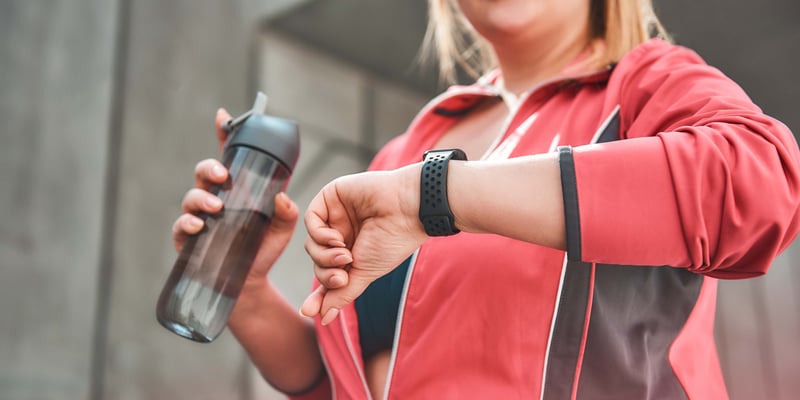
Intermittent fasting can support fat loss by helping you eat fewer calories and use stored fat for energy, especially when paired with a balanced, nutrient-dense diet. This guide will walk you through what intermittent fasting is, how it works, and how it can help with fat loss.
What is intermittent fasting?
What is intermittent fasting exactly? Intermittent fasting is a way of structuring your eating periods and fasting periods to take advantage of the body’s natural processes. It has become popular for its potential to aid in fat loss and improve health without requiring a complete overhaul of your diet [2].
Many people are turning to intermittent fasting to help lose fat and improve their overall health. The most common methods include the 16/8 method, where you fast for 16 hours and eat during an 8-hour window, and the 5:2 diet, where you eat normally for five days and drastically reduce your calorie intake on two non-consecutive days each week [1].
How does intermittent fasting work for weight loss?
Intermittent fasting can help reduce body fat over time by shifting towards stored fat as insulin levels drop. Normally, your body uses glucose from carbohydrates as its primary energy source. When you fast, your body runs out of glucose and begins to burn stored fat for energy instead. This switch, which typically occurs several hours after your last meal, is the main reason intermittent fasting can be effective for fat loss. During fasting, insulin levels drop, promoting fat burning, while growth hormone levels increase, helping to preserve muscle mass [3].
Benefits of intermittent fasting
The benefits of intermittent fasting go beyond just fat loss.
Intermittent fasting also helps:
-
Improve metabolic health: May lower insulin resistance.
-
Lower diabetes risk: May reduce the risk of developing type 2 diabetes.
-
Improve heart health: May decrease inflammation, which benefits cardiovascular health.
-
Protect brain health: May increase a hormone that helps protect brain cells, potentially lowering the risk of diseases like Alzheimer’s.
Note: Intermittent fasting isn’t right for everyone. If you’re pregnant/breastfeeding, underweight, under 18, managing certain conditions, on specific medications, or have a history of disordered eating, speak to a clinician first.
What is the best intermittent fasting window to lose belly fat?
For those aiming to lose belly fat, the 16/8 method is often recommended as the best intermittent fasting window to lose belly fat. By fasting for 16 hours and eating within an 8-hour window, you give your body enough time to burn stored fat while still allowing for a manageable eating period. This method is also sustainable for long-term use, making it easier to stick with over time [5].
Intermittent fasting methods at a glance:
Choosing an intermittent fasting (IF) schedule is about finding one you can sustain. The options below explain what each method is and how it may support fat loss. Consistency and balanced meals matter more than pushing for the shortest eating window.
12/12 (Beginner-friendly)
-
What it is: 12 hours fasting, 12 hours eating (e.g., 8pm–8am).
-
What it does: Curbs late-night snacking and gently reduces daily intake.
-
Best for: Getting started or resetting a regular meal rhythm.
16/8 (Most popular)
-
What it is: 16 hours fasting, 8 hours eating (e.g., 12pm–8pm).
-
What it does: Often leads to fewer snacks and better portion control; later fast hours may help your body use stored fat between meals.
-
Best for: Most people aiming for steady, sustainable fat loss.
5:2 (Weekly approach)
-
What it is: Eat normally 5 days; choose 2 non-consecutive days at ~500–600 kcal.
-
What it does: Creates a weekly calorie deficit without daily fasting windows.
-
Best for: Those who prefer flexible weekdays and planned “low-cal” days.
How to do intermittent fasting for weight loss
To start, choose a schedule you can stick to, such as the 16/8 method. Then use the steps below to set your window, eat well, and adjust based on hunger and energy.
Intermittent Fasting Step-by-step:
-
Pick a window (e.g., 12:00–20:00) and keep it consistent.
-
Build your plate: ¼ lean protein, ¼ whole-grain or starchy veg, ½ non-starchy veg + healthy fats.
-
Front-load protein/fibre in the first meal to control hunger.
-
Hydrate: water, black coffee, herbal tea during fast.[6]
-
Exercise: Walk daily to support fat loss & add 2–3 short strength sessions weekly.
-
Track sleep and steps; adjust portions if weight stalls 2–3 weeks.
How long does 16/8 fasting take to work?
The time it takes to see results from 16/8 can vary. Some people may notice changes within a few weeks, while for others, it might take longer. Generally, you can expect to start seeing fat loss within 4 to 8 weeks (about 2 months), depending on your consistency and overall diet. Remember, initial weight loss might include water weight, so it’s important to be patient and give your body time to adapt [7].
For more insights also read our comprehensive guide to safe and sustainable weight loss.
Risks and considerations with intermittent fasting
While intermittent fasting can be beneficial, it’s not without risks. Some people may experience side effects like increased hunger, headaches, fatigue, irritability, digestive problems, and sleep disturbances, especially when first starting out. These side effects are usually mild and tend to decrease as your body gets used to the fasting routine. However, intermittent fasting might not be suitable for everyone. It could lead to nutritional deficiencies if the eating window doesn’t include a well-balanced diet. Older adults and those with certain health conditions should approach intermittent fasting with caution and consult with a healthcare professional before starting [8]. For additional information on nutrition, see our blog post on 8 facts about nutrition and hydration.
What can you drink during intermittent fasting?
During fasting periods, it’s crucial to avoid consuming calories to maintain the fasting state. There are several drinks that are safe to consume without breaking your fast:
- Water: Essential for staying hydrated.
- Black coffee: A popular choice that doesn’t contain calories and may help boost fat burning.
- Herbal tea: Unsweetened and calorie-free options are fine.
- Apple cider vinegar: Some people mix a small amount with water, but it’s important not to add sweeteners [8].
Avoid any drinks with calories, such as juices, soda, or milk, as these can break your fast and interrupt the fat-burning process.
How HealthHero can support you
HealthHero offers support for those looking to manage their weight with professional advice and tailored strategies. To learn more, visit our weight management page.
Yes — It can support weight loss by helping you reduce overall calorie intake and use stored fat for energy. It works best alongside balanced meals, sleep, and movement.
Timelines vary, but many people see early changes within 4–8 weeks when IF is paired with a calorie-appropriate, high-protein, high-fibre diet and regular activity.
Some notice modest weight or waist changes in the first month, especially if snacks and sugary drinks are reduced. Sustainable progress depends on meal quality and consistency.
The 16/8 method is a practical starting point for most. The “best” plan is the one you can stick to while meeting your nutrition needs.
Stick to water, black coffee, and unsweetened herbal tea during fasting windows. Drinks with calories (juices, milk, soft drinks) break a fast.
Not always. People with certain medical conditions, those pregnant or breastfeeding, on specific medications, or with a history of disordered eating should seek medical advice first.